
- MotusAcademy
What We Do
We turn innovation into capability, connection, and access

- Advancing Skills for a Changing Field
Education & Training
MotusAcademy develops learning experiences that help professionals stay current in a rapidly evolving rehabilitation landscape. Our educational initiatives support clinicians, researchers, engineers, students, and allied professionals seeking deeper understanding of rehabilitation technology, rehabilitation robotics, translational rehabilitation, and technology-enabled models of care.
Through webinars, workshops, ATLAS Studios, curated learning pathways, and professional development initiatives, we aim to make advanced rehabilitation knowledge more practical, accessible, and relevant across diverse care settings and stages of professional experience.

- Driving Knowledge, Insight, and Impact
Research & Journal (JRMT)
MotusAcademy supports rehabilitation research, interdisciplinary exchange, and the advancement of rehabilitation knowledge through collaborative platforms and strategic initiatives.
A key part of this ecosystem is the Journal of Rehabilitation Methods and Technologies (JRMT), published by Emerald in partnership with MotusAcademy. JRMT supports the rehabilitation innovation lifecycle — from emerging concepts and rehabilitation technologies to clinical evaluation, translational implementation, and real-world impact.
Beyond formal publication, MotusAcademy also supports thought leadership, strategic reports, and knowledge-sharing initiatives that help clinicians, researchers, and decision-makers stay informed about the future of rehabilitation technology and healthcare innovation.

- Connecting People, Ideas, and Purpose
Community & Partnerships
Meaningful transformation happens when people, organisations, and ideas come together with shared purpose. MotusAcademy builds platforms for collaboration across healthcare, academia, industry, philanthropy, research, and civil society to help strengthen engagement throughout the rehabilitation ecosystem.
Through partnerships, forums, events, and collaborative initiatives, we create opportunities for knowledge exchange, professional connection, and shared progress that support long-term rehabilitation innovation, accessibility, and impact.
- Expanding Reach, Equity, and Opportunity
Advocacy & Access
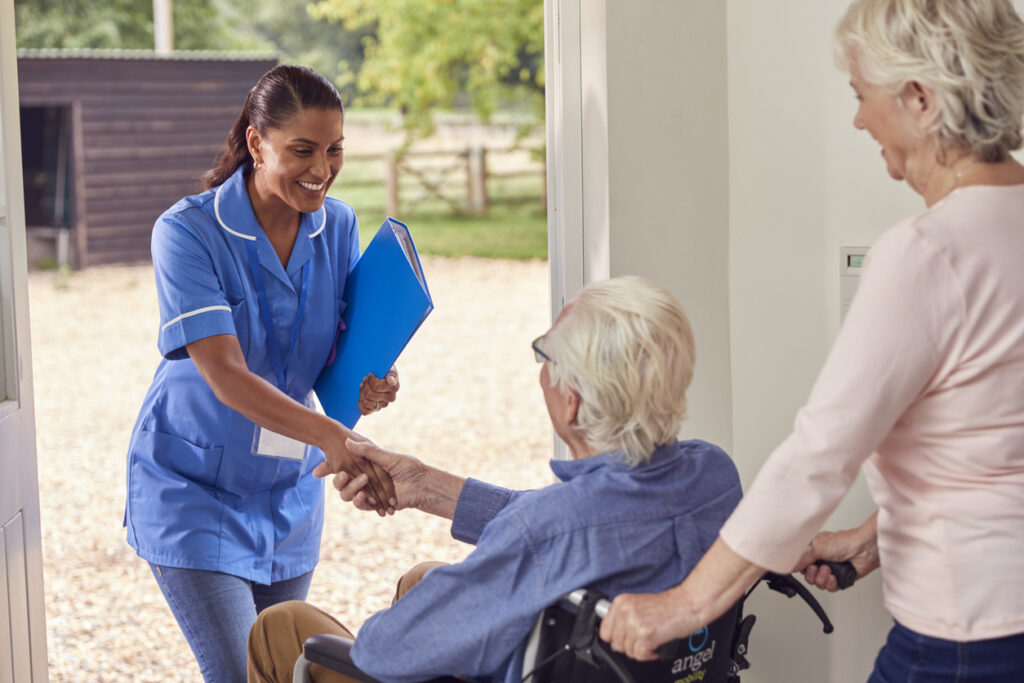
MotusAcademy believes rehabilitation access is one of the defining challenges of the rehabilitation sector. Innovation should not only be measured by technological advancement, but also by whether rehabilitation solutions can be accessed, trusted, adopted, and sustained across real-world healthcare systems and communities.
Our advocacy and access initiatives focus on helping reduce the gap between rehabilitation innovation and participation by supporting underserved populations and advancing models that improve access to rehabilitation knowledge, services, workforce development, assistive technology, and enabling care solutions.